As schools continue to grapple with the academic fallout from COVID-19, tutoring remains a big focus.
According to Jeff McCoy, associate superintendent of academics, Greenville County Schools have increased the number of interventionists helping students get back on track when they fall behind or fail a course.
McCoy said the district had tutoring programs before the COVID-19 pandemic, but the need has grown. Grant said many of his students aren’t at grade level because of the pandemic.
“This is compounded by almost two full years of lowered expectations and accountability due to COVID-19,” he said.
Tutoring is available either before or after school and possibly during the day — whatever suits a student’s need. Tutoring before classes start has been most popular, McCoy said, because students are usually already at school. Tutors are mostly retired teachers or volunteers from the community and the corporate world, McCoy said. Virtual programs are available when needed, he said.

Fostering community
According to Jane Mills, principal of Chandler Creek Elementary, students get together for breakfast groups in hopes of fostering community. Students may get 45 minutes of tutoring time during school hours, and have extended learning time after school.
“The students are showing a need to connect with a person and content together versus extensive online learning,” she said.
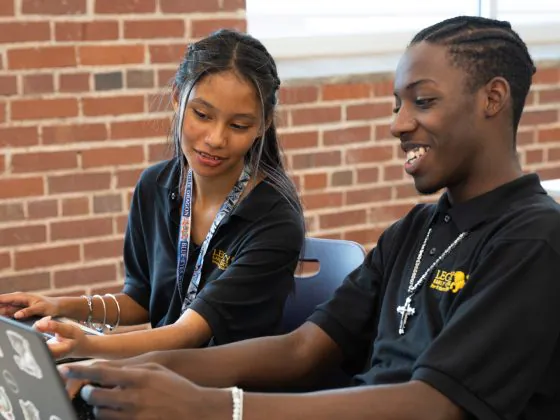
Some schools, like Greenville Middle Academy, offer peer tutoring, which matches a student with a special needs student. The two students will eat lunch, play games and assist with school work.
South Carolina started offering free access to tutor.com, a service accessed through Discus, South Carolina’s virtual library. This gives students access to more than 200 subject areas with high-quality tutors, according to a news release.
Students in high school are given different options for making up for lagging grades. According to McCoy, students can get content recovery or credit recovery.
Content recovery is when a student is struggling with a class and is allowed to retake part of a course or get caught up before a class is failed. Credit recovery allows a student to attend a class with district-approved software and get a passed/not passed notation for the course that doesn’t affect their GPA.
Wade Hampton High School Principal Carlos Grant said his school created a school-wide remediation plan using the content/credit recovery strategy. He said the program also fosters an approach that relies less on punishment and more on the collection of student work to see where the students abilities truly lie.
“This has been extremely helpful for students and has helped further develop a positive school culture built on student support rather than having a punitive school climate,” Grant said.
Discus (South Carolina’s virtual library) provides all South Carolinians with access to an electronic library with resources like:
- Books, encyclopedias, magazines, maps, photos and videos
- Historic American newspapers
- Tutor.com
- Writer’s reference center
- Auto repair information
- ACT/SAT prep
- Literary reference works