Editor’s note: This is part of a continuing series of columns, stories and photos by Greenville County Historical Society examining the history of Greenville and the Upstate.
Greenville’s airports changed the region in ways that had little to do with airplanes. Greenville Downtown Airport, Donaldson Field and Greenville-Spartanburg International trace Greenville’s shift from a city-centric economy to a regional one.
In the mid-1920s, the federal government wanted an airmail stop between Atlanta and Greensboro. However, Greenville’s leaders declined to pay for a field. Spartanburg paid, opened an airport in 1927, and got the mail route.
In 1928, American Legion Post No. 3 took up the cause under its commander, George Barr, a former Army pilot. The city, the county, the Park and Tree Commission, and the Legion each paid portions of the $25,000 land price. Greenville Municipal Airport – now Greenville Downtown Airport – opened near Laurens Road and Pleasantburg Drive on Nov. 11, 1928.
The airport also became a stage for social change. In 1960, about 250 African Americans marched from Springfield Baptist Church to the airport to protest its segregated waiting rooms. The place that tied Greenville to the nation showed how far the city fell short of modern promises. Transportation determined who could fully participate in public life.
World War II changed the scale. In 1942 the Army built an air base south of the city to train bomber crews. The installation that became Donaldson Air Force Base brought runways, roads, utilities, and thousands of acres south of the city. It was named for John O. Donaldson, a Greenville native and World War I flying ace. After the base closed in 1963, local leaders turned military infrastructure into industrial land. The hangars and runways became Donaldson Center.
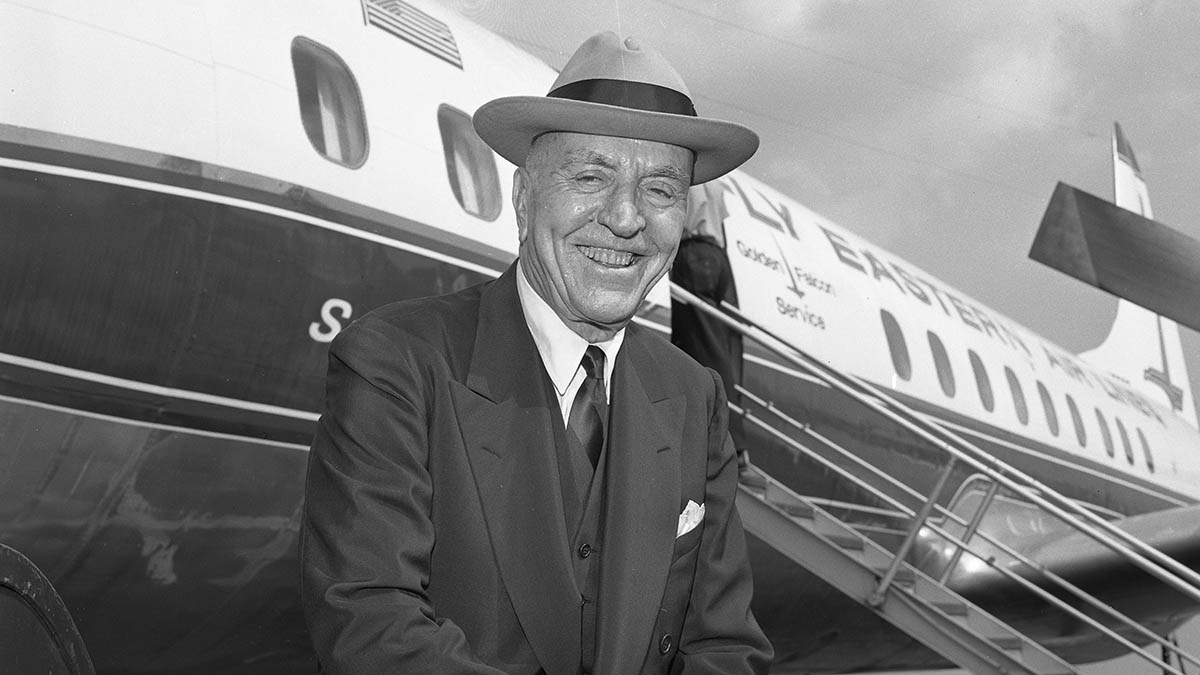
Greenville-Spartanburg Airport came next. In 1945, Eastern Airlines chief Eddie Rickenbacker urged Upstate leaders to build one airport for the region. Twelve years later, builder Charlie Daniel persuaded Roger Milliken to lead the effort. In 1959, the legislature created a two-county commission funded by a tax in both counties. The commission picked Flatwood, a farm community beside the new Interstate 85. The first flight landed on Oct. 15, 1962.
GSP and I-85 helped bring Michelin and BMW, moving the region beyond textiles. But growth pulled away from downtown, car dependence increased, and airport expansion collided with Greer. The Upstate became a metropolitan area split among many governments.
Greenville’s aviation history is the story of a widening idea of community: from city to county to region. It helped set Greenville on its journey from an isolated Southern community to a place recognized around the world.
Next:The Great Depression exposed the fragility beneath Greenville’s 1920s prosperity, revealing how heavily the city depended on textiles, credit and continued private growth.
Russell Stall is a Greenville native, former at-large Greenville City Council member, and certified city planner. He serves as executive director of the Greenville County Historical Society. For more information, visit greenvillehistory.org.